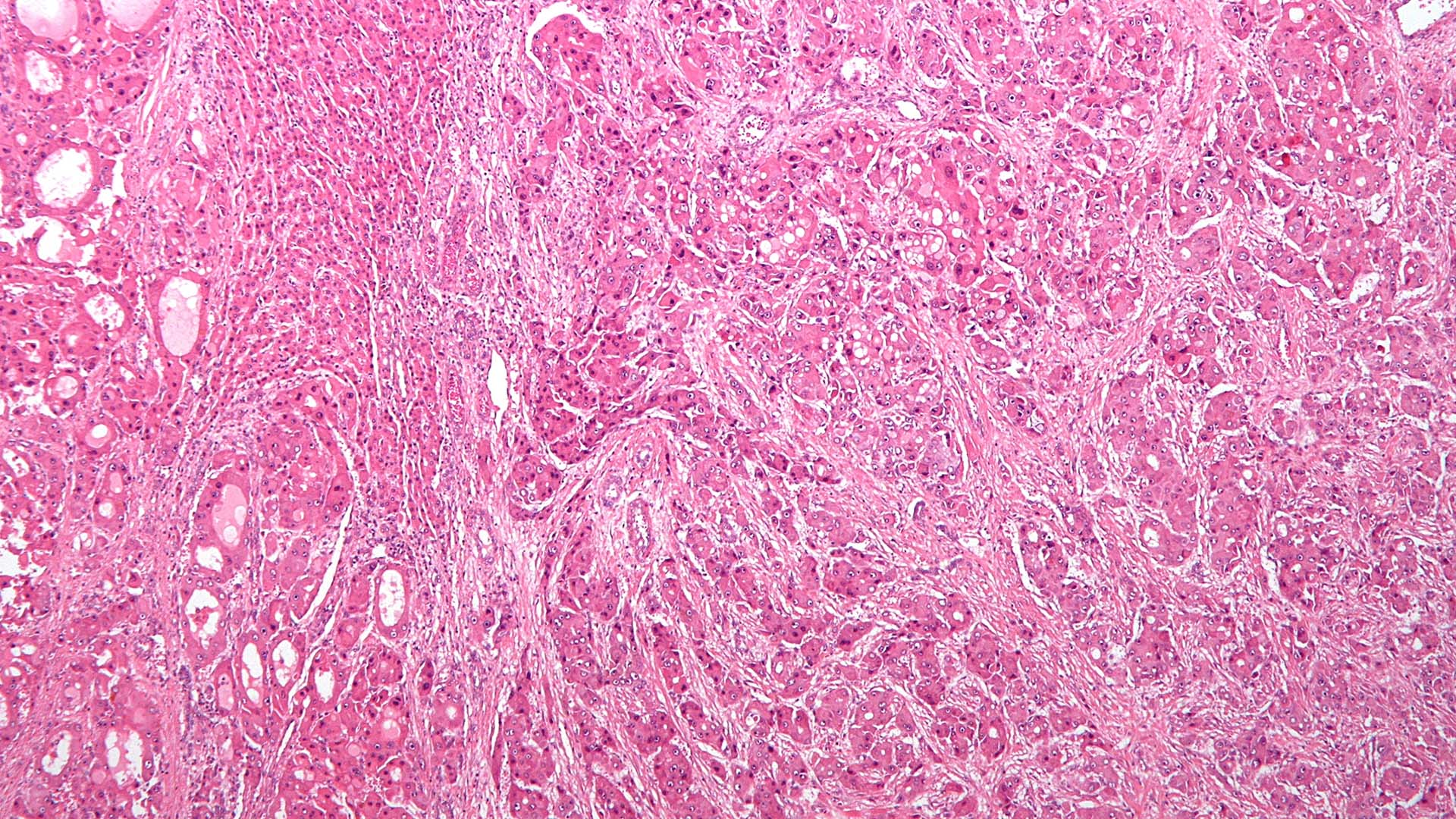
NAFLD
By: Karin Michalk, MS PT CNS
Functional Nutritionist and Physical Therapist
In highlighting liver health this month, a condition I would like to call attention to is Fatty Liver. In medical circles, it is known as Nonalcoholic Fatty Liver Disease (NAFLD). It occurs when fat has accumulated in the liver unrelated to excess alcohol intake.
You may hear from time to time the new name which is Metabolic Dysfunction-Associated Fatty Liver Disease (MAFLD). This is a more accurate and descriptive name because for fatty liver to occur there must be metabolic dysfunction. We’ll use the term NAFLD here. NAFLD is diagnosed by evidence of excess fat accumulation in the liver usually by an ultrasound of the liver plus one of the following: obesity, type 2 diabetes, or metabolic dysregulation (insulin resistance, high blood pressure, high cholesterol).1 NAFLD occurs more often in those who are obese or have Type 2 Diabetes but it can also occur in someone who is of normal weight. NAFLD is the most common liver disease in the world in all ages making it important to catch it early or better yet, prevent it from occurring. If it isn’t identified and addressed it can progress to liver fibrosis and eventually cirrhosis.
Talk with your doctor about NAFLD if you have any of these risk factors:
- Sedentary or are minimally physically active
- Smoker
- Eat the Standard American Diet (excess calories and nutritionally imbalanced)
- Overweight or obesity (especially in the abdomen)
- Type 2 diabetes mellitus or prediabetes
- High blood pressure
- High triglycerides
- Low HDL cholesterol
- Elevated hsCRP
- Elevated HOMA-IR
Talk with your doctor about NAFLD if you have any of these signs and symptoms:
- Fatigue
- Depression
- Pain in the right upper quadrant of the abdomen
- Acanthosis nigricans which is darkening of the skin around the neck, over the knuckles, elbows, knees
If I have NAFLD what can I do about it?
- The best approach is an integrative approach.
- Optimize diet composition and nutrient status in the body.
- Optimize glucose metabolism and insulin sensitivity.
- Weight loss.
- Exercise including strength training.
- Rehabilitate the microbiome.
- Visceral manipulation to stimulate mechanoreceptors on liver cells to encourage them to regenerate and repair.
My approach to addressing NAFLD is to use a Continuous Glucose Monitor to get a handle on glucose metabolism right away. Personalized diet and lifestyle changes will follow. Targeted nutraceuticals are selected for the purposes of nutrient repletion, anti-inflammation support, liver function support, and more. Visceral Manipulation will also be used as a mechanical stimulus to the liver tissue to stimulate cellular repair mechanisms.
Contact Karin Michalk, MS, PT, CNS for guidance on setting up your personalized plan to prevent or address NAFLD.
1. Eslam M, Newsome PN, Sarin SK, et al. A new definition for metabolic dysfunction-associated fatty liver disease: An international expert consensus statement. J Hepatol. 2020;73(1):202-209. doi:10.1016/j.jhep.2020.03.039